
What You Need to Know
Sciatica is not a diagnosis—it is a group of symptoms caused by irritation or compression of a nerve that contributes to the sciatic nerve. Pain commonly begins in the lower back or buttock and travels down one leg. Many cases improve with conservative treatment, but persistent pain, numbness, weakness, or difficulty walking should be evaluated.
Sciatica isn’t a condition by itself—it’s a symptom. The key is identifying what is irritating the nerve so the treatment can address the underlying cause and help restore function.
— J. Alexander Holbert, MD
What Is Sciatica?
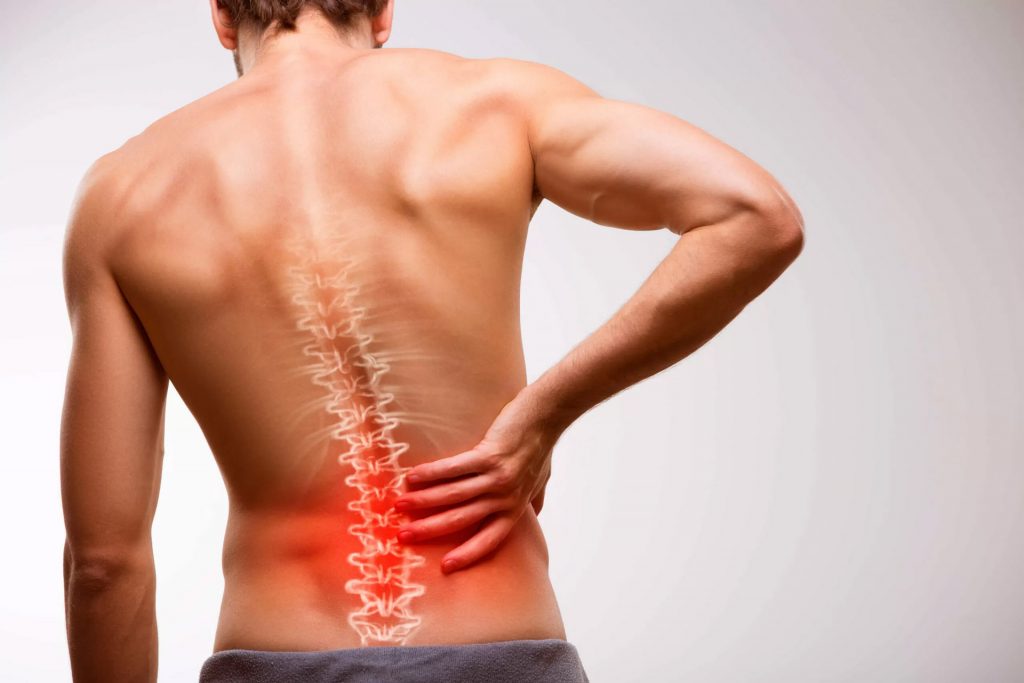
Sciatica describes pain, numbness, tingling, or weakness that follows the path of the sciatic nerve. The symptoms usually affect one side and may extend from the lower back or buttock into the thigh, calf, or foot.
What Does Sciatica Feel Like?
Patients often describe sharp, burning, electric, or shooting pain. Symptoms may worsen with prolonged sitting, coughing, sneezing, bending, or certain movements. Some people experience leg pain without much back pain.
What Causes Sciatica?
Common causes include lumbar disc herniation, spinal stenosis, degenerative disc disease, spondylolisthesis, and bone spurs. The important question is not simply whether sciatica is present, but which condition is irritating the nerve.
Can Sciatica Improve Without Surgery?
Yes. Many patients improve with activity modification, physical therapy, anti-inflammatory medication, targeted exercises, and time. Epidural steroid injections may be considered for selected patients when inflammation around a nerve is contributing to symptoms.
When Should You See a Spine Specialist?
Seek evaluation if symptoms last more than four to six weeks, continue to worsen, interfere with sleep or daily activities, or include numbness, weakness, or difficulty walking. Early evaluation can help identify the cause and determine whether additional treatment is appropriate.
When Is Sciatica an Emergency?
Seek immediate medical attention for loss of bowel or bladder control, numbness in the saddle or groin region, sudden or rapidly worsening leg weakness, or severe symptoms after significant trauma.
How Is Sciatica Diagnosed?
Diagnosis begins with a medical history and physical and neurologic examination. The pattern of pain, strength, sensation, reflexes, and movement provides important information. X-rays or MRI may be recommended when appropriate.
Does Sciatica Always Require Surgery?
No. Most patients begin with non-surgical care. Surgery may be considered when severe nerve compression is present, weakness progresses, or symptoms remain disabling despite an appropriate course of conservative treatment.
Can Sciatica Be Prevented?
Not every case can be prevented, but maintaining a healthy weight, staying active, strengthening the core, using proper lifting techniques, and limiting prolonged sitting may reduce strain on the lower back.
Key Takeaways
✓ Sciatica is a symptom, not a diagnosis.
✓ Pain traveling down the leg often originates from an irritated spinal nerve.
✓ Most patients improve without surgery.
✓ Weakness, saddle numbness, or bowel and bladder changes require urgent care.
✓ Treatment should address the underlying cause.
Frequently Asked Questions
What is the fastest way to relieve sciatica?
There is no single treatment that is fastest for everyone because sciatica has different causes. Short periods of activity modification, anti-inflammatory medication when medically appropriate, gentle movement, and targeted physical therapy are common first steps. Severe or progressive symptoms require evaluation.
Can sciatica heal without surgery?
Yes. Most patients improve without surgery as inflammation decreases and the irritated nerve recovers. Treatment may include physical therapy, medication, home exercises, and sometimes an injection. Surgery is generally reserved for persistent disabling symptoms or significant neurologic deficits.
Is walking good for sciatica?
Gentle walking is often helpful because prolonged bed rest can contribute to stiffness and deconditioning. However, walking should be limited if it sharply increases leg pain, numbness, or weakness. A clinician can help determine the safest activity level.
Can sitting make sciatica worse?
Yes. Sitting can increase pressure within the lower lumbar discs and may aggravate an irritated nerve, especially when posture is poor or sitting is prolonged. Frequent position changes and ergonomic adjustments may help.
How long should I wait before seeing a specialist for sciatica?
An evaluation is reasonable when symptoms persist beyond four to six weeks, are severe, interfere with normal activities, or include numbness or weakness. Immediate care is warranted for bowel or bladder changes, saddle numbness, or rapidly worsening weakness.
About Dr. J. Alexander Holbert
Dr. J. Alexander Holbert is a fellowship-trained orthopaedic spine surgeon based in Pennsylvania. Patients seek his expertise for the evaluation and treatment of cervical and lumbar spine conditions. He is committed to evidence-based, individualized care that helps patients understand their diagnosis, consider appropriate treatment options, restore function, and improve quality of life.
Ready to Take the Next Step?
If you’re experiencing persistent symptoms, don’t wait for them to interfere with your quality of life. A comprehensive evaluation can help identify the underlying cause of your pain and determine the treatment approach that best fits your condition, lifestyle, and goals.
Contact Dr. J. Alexander Holbert today to schedule a comprehensive evaluation and take the first step toward lasting relief.
Medical Disclaimer: The information provided in this article is intended for general educational and informational purposes only and should not be considered medical advice. Every patient and medical condition is unique. Reading this content does not establish a physician-patient relationship and should not replace a consultation with a qualified healthcare professional. If you have questions about your health or are experiencing symptoms, please seek an evaluation from a licensed medical provider. If you are experiencing a medical emergency, call 911 or go to your nearest emergency department immediately.